
Office Address
Rodney Bay, St. Lucia
Phone Number
+1 7584602257
Email Address
info@tripcarib.com
Rodney Bay, St. Lucia
+1 7584602257
info@tripcarib.com
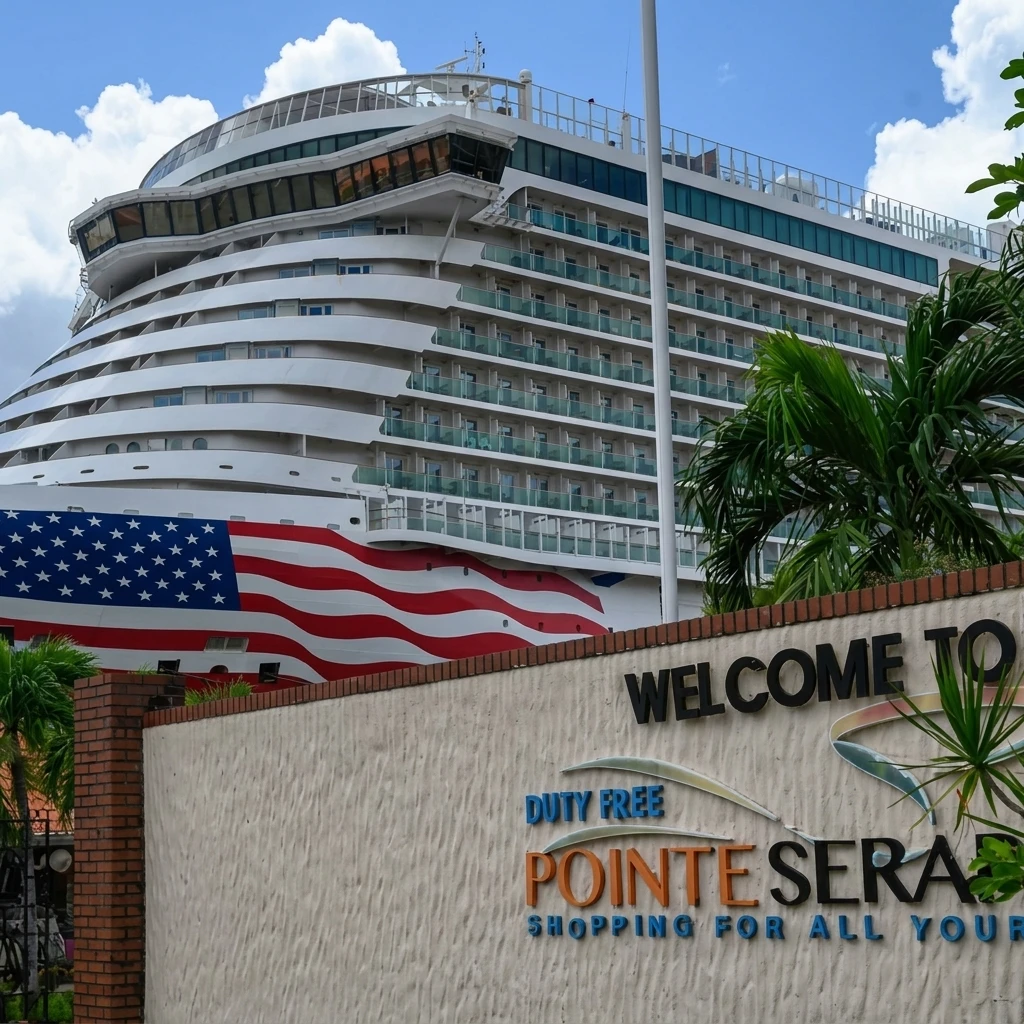
Your ship swings into Castries harbour, the green hills come up on both sides, and you have somewhere between six and nine hours to meet an island. No pressure.
Here is the honest local briefing on St Lucia's cruise port: where you actually dock, what you can reach on foot, how the taxis work, and the one geography fact that decides whether your day ashore is relaxed or rushed.
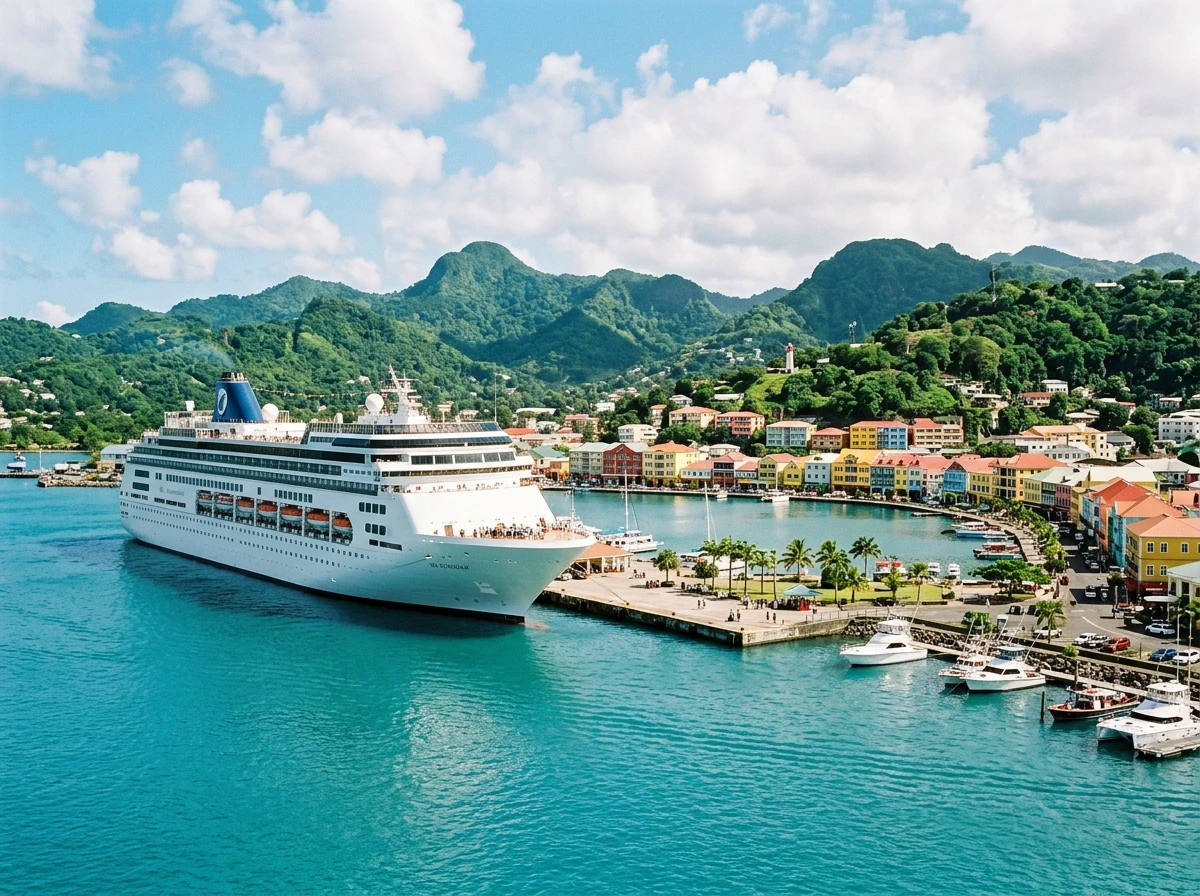
Castries harbour has two cruise berths, and which one you get changes your morning.
Pointe Seraphine is the main terminal, on the north side of the harbour. It is a duty free shopping complex with the usual jewellery, liquor, souvenirs and a taxi and tour rank right outside. Most large ships berth here.
La Place Carenage sits on the south side, closer to the city centre and the market. Smaller ships and second arrivals often use it. If you dock here, downtown Castries is a short walk.
The two terminals face each other across the water, five minutes apart by road but a longer walk around the harbour. When both are busy, a small shuttle boat sometimes runs between them, which is charming and worth taking if it is operating.
On busy days three or four ships arrive together, which matters for one reason: everyone hits the taxi rank at the same time. Guests with something pre-arranged simply walk to their driver and go.
Castries is a working capital, not a manicured cruise village, and that is part of its charm.
From La Place Carenage you can walk to the Castries Central Market in a few minutes, the real thing, spices, hot sauce, straw work, fruit you will not recognise, and vendors who will absolutely talk to you. Derek Walcott Square with its huge saman tree and the Cathedral of the Immaculate Conception, with its remarkable painted interior, are a short walk further.
From Pointe Seraphine you are in the shopping complex itself, and reaching downtown means a taxi, the shuttle boat if running, or a longer walk around the harbour that is doable but hot.
What you cannot walk to is a beach. The nearest swimmable sand, Vigie Beach, is a short taxi ride, and the good northern beaches are further.
Taxis at the cruise terminals are licensed operators with blue TX number plates, and they queue at both berths. The island rules apply exactly as everywhere else: no meters, fares set by route, and you agree the price and the currency, US or EC dollars, before you get in.
Typical island taxi runs from the port: Vigie Beach is a short hop, Reduit Beach in Rodney Bay is around 25 minutes and roughly $25 to $30 US per vehicle, and Marigot Bay is around 25 minutes south. Full route fares are in our St Lucia taxi price list, worth screenshotting before you dock since ship WiFi is what it is.
Two things to know. Taxi drivers at the port will offer you island tours on the spot, and many are excellent, but on a ship schedule you are trusting a stranger with your sailing time. And there is no Uber in St Lucia to fall back on if a plan slides, so anything time critical should be arranged, not improvised.
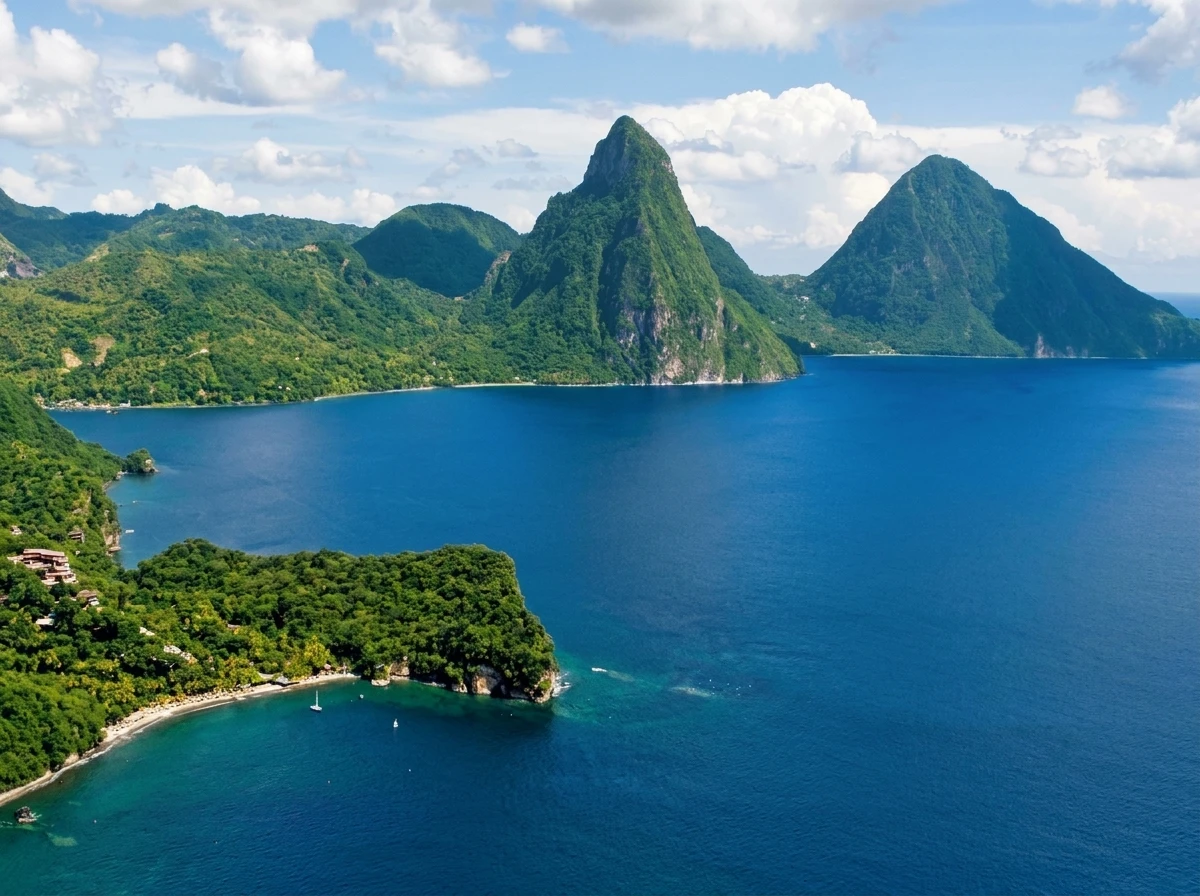
Here it is, and it catches people out every single week: the Pitons are not near Castries. Soufriere sits about 60 to 75 minutes south by road, each way. Sulphur Springs, Diamond Falls and the classic Piton viewpoints are all down there.
That is entirely doable on a cruise day, and thousands of passengers do it. But it means committing your day to a proper south coast run with a driver who knows the sailing deadline, not a spontaneous taxi grabbed at 11am. A well planned tour in St Lucia from the port covers Soufriere, the volcano, a waterfall and lunch and gets you back with margin. An unplanned one risks the phrase no passenger wants to say, which is "the ship left".
If your day is shorter, or you would rather not spend it in a vehicle, the north is your friend: Vigie or Reduit beach, Pigeon Island, the marina, back aboard relaxed. Our guide to shore excursions from Castries breaks down what fits into which time window.
The honest comparison, since every cruiser weighs it.
Booking through the ship means guaranteed return, the ship waits for its own tours, and zero arranging. It costs more, groups are large, and departure times are fixed.
Booking independently costs less, groups are small or private, and the day flexes to what you want to see. The risk is real but manageable: use a licensed local operator who works cruise schedules daily, confirm your all-aboard time when you book, and stay in WhatsApp contact. Reputable operators build the deadline into the route, because our reputations live and die on it.
Whichever you choose, tell your driver your all-aboard time, not your sailing time. Professionals plan to the earlier number.
Bring small US dollars, accepted everywhere, plus a few EC coins for the market. Wear shoes you can walk in, Castries has hills and the market floor is a market floor. Cover shoulders and knees if you plan to enter the cathedral. If you are doing Sulphur Springs, take clothes you do not love, because the mud is the point and it stains. And leave the camouflage clothing on the ship, it is illegal in St Lucia, even on children.
Water taxis sometimes operate from near the port toward the beaches and down the coast, a scenic alternative when the sea is calm. Our water taxi guide covers how they price and how to agree a pickup time.
Where do cruise ships dock in St Lucia? Castries harbour, at Pointe Seraphine on the north side or La Place Carenage on the south side. Both are in the capital.
Is Castries cruise port walkable? La Place Carenage is a short walk from the market, square and cathedral. Pointe Seraphine is a shopping terminal, and reaching downtown needs a taxi or the harbour shuttle boat.
Can you see the Pitons on a cruise day? Yes, but Soufriere is 60 to 75 minutes each way from Castries, so it needs a planned tour rather than a spontaneous taxi.
How much is a taxi from the cruise port to Reduit Beach? Around $25 to $30 US per vehicle for the 25 minute run, agreed before you ride, since taxis here are not metered.
Is there a beach near the cruise terminal? Not walkable. Vigie Beach is the closest by taxi, with Reduit in Rodney Bay the better swimming beach a little further north.
Are taxis at the port safe? Licensed ones are, look for blue TX plates. It is the standard, regulated system the whole island uses.
Castries gives you a real Caribbean capital rather than a manufactured port village: a working market, a beautiful cathedral, hills all around, and the island's famous south coast a scenic drive away. Know which terminal you are on, agree your taxi fare before you ride, respect the distance to the Pitons, and give your driver your all-aboard time.
Plan your day ashore with a local team that watches cruise schedules for a living, and spend your hours on the island rather than in a queue.