
Office Address
Rodney Bay, St. Lucia
Phone Number
+1 7584602257
Email Address
info@tripcarib.com
Rodney Bay, St. Lucia
+1 7584602257
info@tripcarib.com
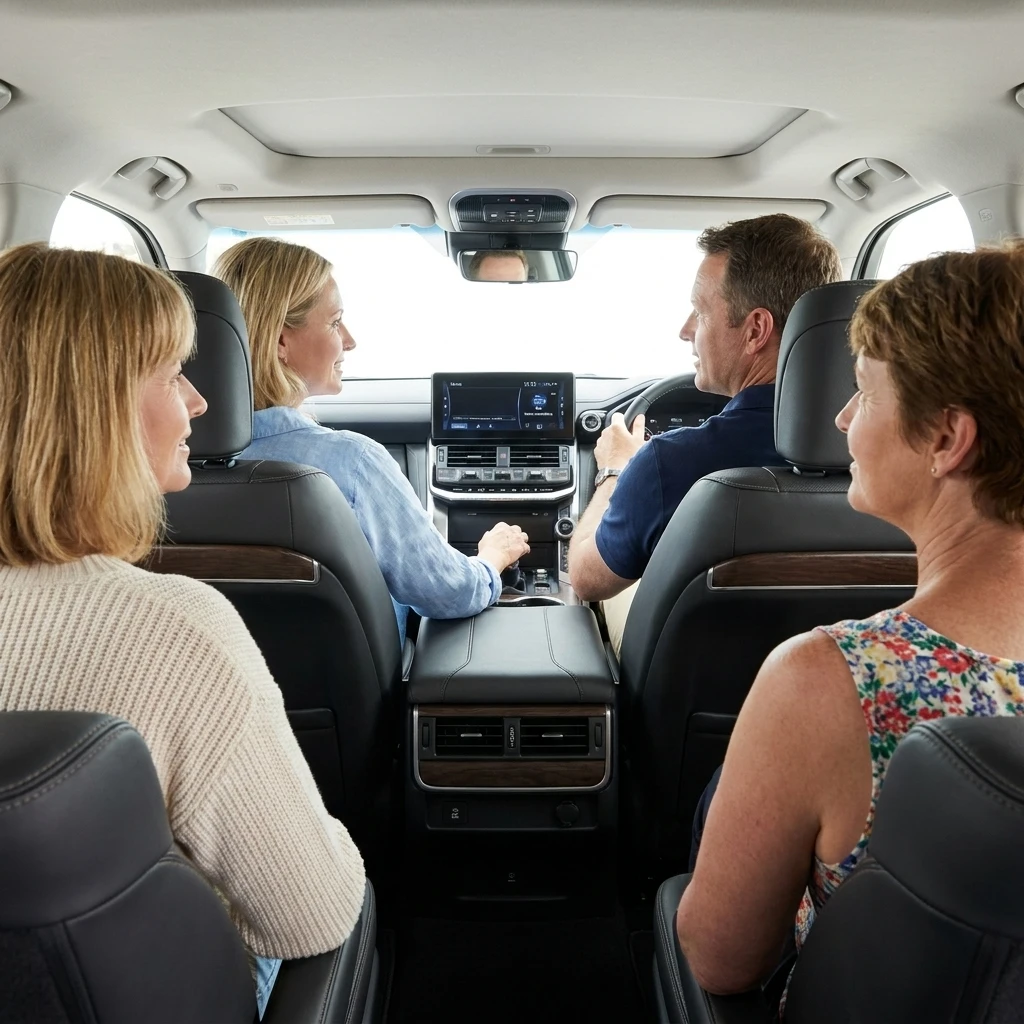
Here is the honest answer before the detail: driving in St Lucia is not dangerous, but it is demanding. The roads are narrow, steep and winding, you drive on the left, and a trip that looks short on the map can be forty minutes of concentration. Plenty of visitors self-drive happily. Plenty of others are far better off leaving the driving to someone else.
We drive these roads every day and we also rent cars to visitors, so we have no reason to talk you into or out of it. This is the straight version, so you can decide which kind of traveler you are.
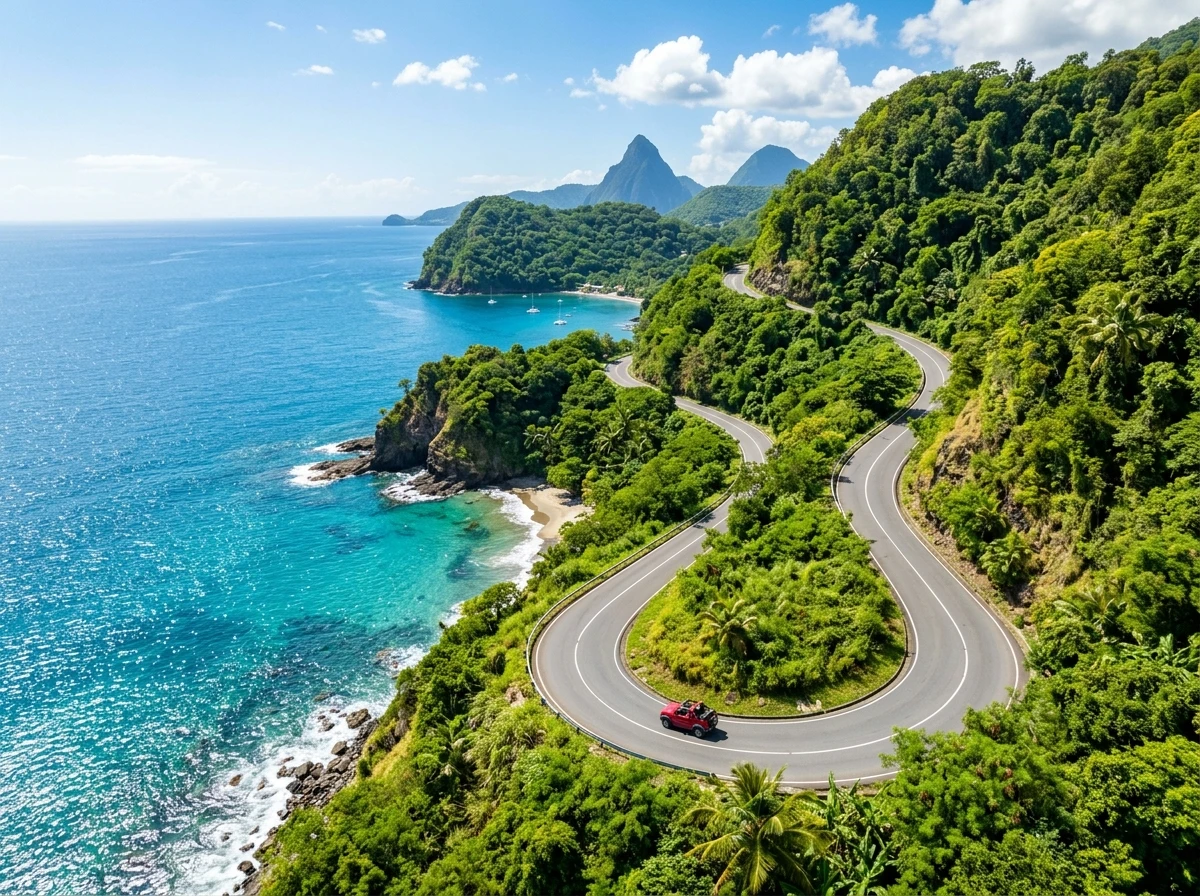
St Lucia's main roads are paved but narrow, steep and winding, with blind corners, sharp drop-offs, few footpaths and occasional potholes. The coastal and mountain routes are scenic and perfectly drivable, but they demand attention in a way flat, wide roads at home do not.
An honest picture, because you deserve one. The west coast road between Castries and Soufriere climbs and drops through tight bends with real elevation beside them. Town driving in Castries is busy and close. Rain makes hills slick and visibility short. None of this is unusual for a mountainous Caribbean island, and local drivers handle it without drama, but it is a different experience from motorway cruising, and first-timers feel that in the first ten minutes.
The research behind this guide found visitors describing the roads as narrow with drop-offs and blind turns, while others called them manageable. Both are true. The deciding factor is not the road, it is the driver.
St Lucia drives on the left, a legacy of British history, with the steering wheel on the right of the car. For visitors from the US, Canada and most of Europe, this is the opposite of home.
Most people adapt within a day on quiet roads. The genuinely tricky moments are the ones that catch you off guard: pulling out of a resort onto the correct side, roundabouts, and instinctive reactions in a sudden situation, when muscle memory pulls you the wrong way. Combining first-time left-side driving with narrow mountain roads and a long drive straight off a flight is what turns a manageable adjustment into a stressful one.
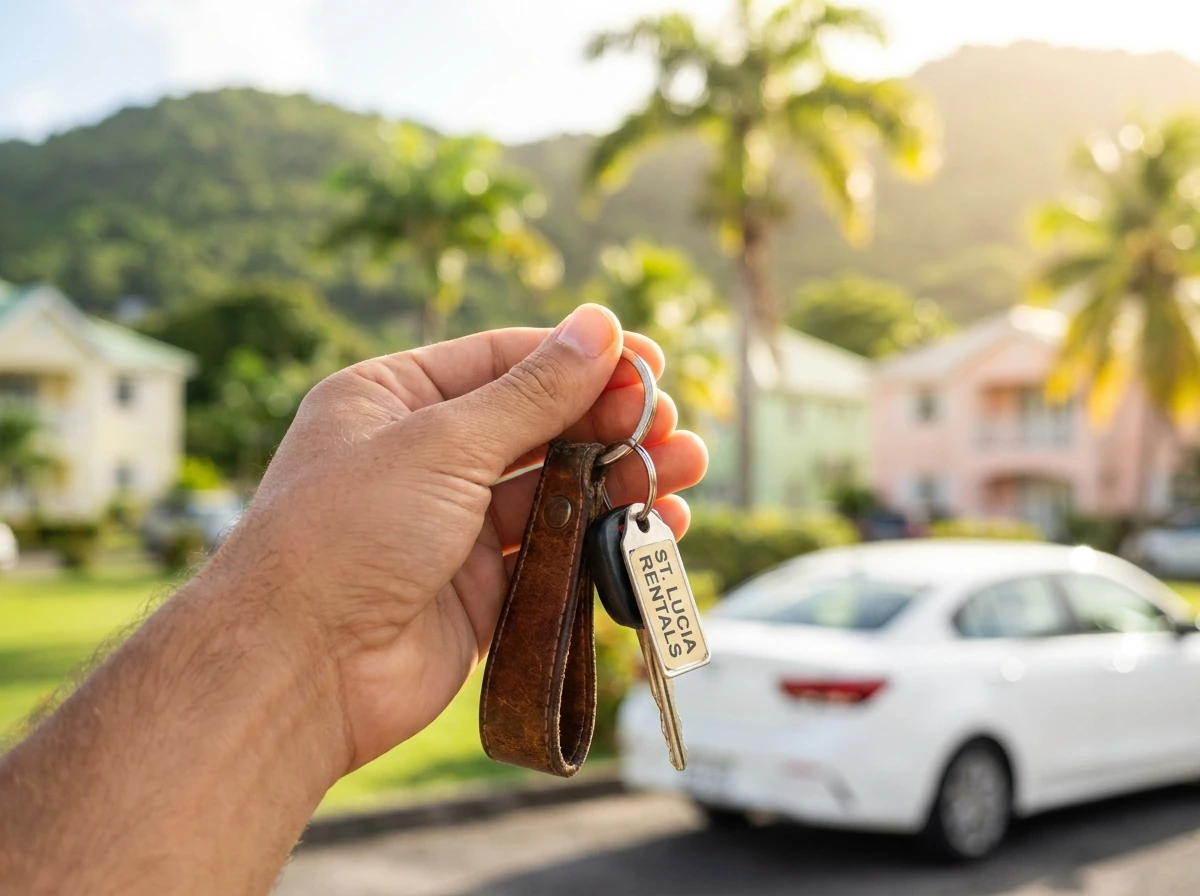
Yes, visitors need a temporary local driving permit in addition to their home licence, costing around $20 to $25 US and valid about three months. Your rental company issues it when you collect the car, so it is easy to arrange.
It is a legal requirement, not an upsell, so factor it into any rental cost. Full detail is in our guide to St Lucia driving permit requirements, and the complete cost picture including insurance and deposits is in how much it costs to rent a car in St Lucia.
Confident drivers who already handle mountain or rural roads, who have driven on the left before or adapt quickly, and who are staying more than a few days tend to do well. If that is you, a rental unlocks real freedom to explore at your own pace.
You will likely be comfortable if you drive regularly on winding or hilly roads at home, you are relaxed about narrow lanes and reversing for oncoming traffic, you are staying long enough to settle in before big drives, and you are not trying to do a 90 minute mountain route on your arrival evening. For this traveler, self-driving is genuinely rewarding, and having the rental delivered to your resort after a transfer on arrival day is the ideal combination.
Nervous drivers, anyone who has never driven on the left, first-timers facing a long arrival-day transfer, and travellers staying only a few days near their resort should skip the rental. For these visitors, transfers and the occasional taxi are cheaper in stress and often in money too.
Be honest with yourself if any of these apply: driving on the left worries you, you dislike narrow roads or heights, you are only here for three or four days, your resort is in the far north or the Soufriere hills with tricky access, or your group would rather relax and look at the view than navigate. None of that is a failing, it is a sensible match of trip to transport. The research is clear that forcing an unsuitable self-drive causes real anxiety and regret.
For a resort-based trip with a few outings, transfers and tours usually cost less all-in than a rental once you add the permit, insurance, deposit, fuel and parking. For a week of independent daily exploring, a rental is usually cheaper. It comes down to how much you will actually drive.
The mistake the research highlights is deciding before you understand the trade-off. Run your real plan: if the car would sit parked at the resort most days, you are paying to store it. If you would drive somewhere new every day, it earns its keep. We laid out the full comparison in car rental vs taxi vs private transfer, and the honest verdict in is renting a car in St Lucia worth it.
Take it slowly, use your horn lightly on blind corners as locals do, avoid night driving at first, keep left, and never rush a mountain road. A few local habits make the whole experience calmer.
Practical tips from people who drive these roads daily: tap the horn approaching blind bends, since locals do this to warn oncoming traffic, not out of anger. Pull in and let faster local drivers pass rather than speeding to keep up. Avoid the first night drive until you have done a route in daylight. Fill up before long southern drives, as stations thin out between towns. And if anyone gets carsick, the winding roads are a real factor, so the front seat and a daytime start help, something we cover for passengers too in our transfer planning.
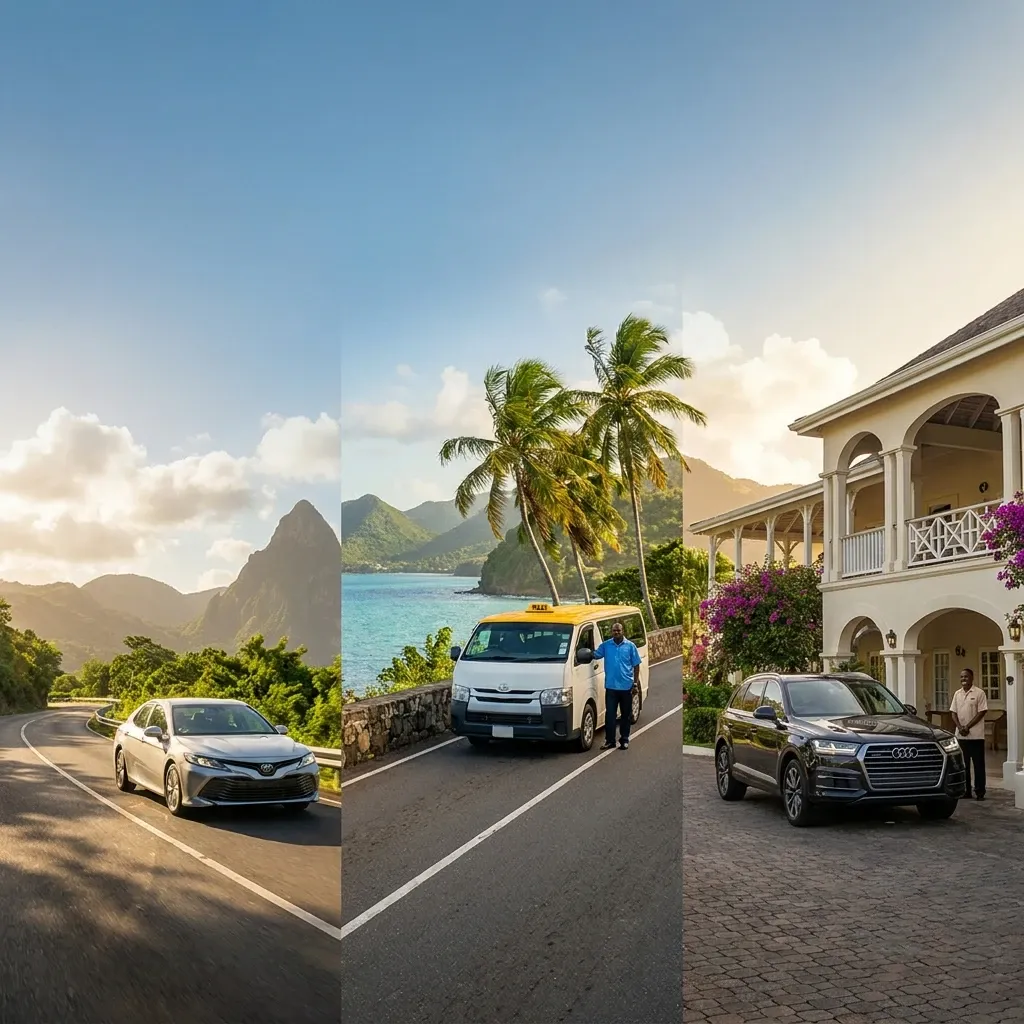
You can see all of St Lucia without ever driving, using pre-booked transfers for the big legs, taxis for local hops, buses for cheap daytime travel, and guided tours for the sights. Most visitors do exactly this and miss nothing.
The famous attractions cluster near Soufriere and are best done as a guided day anyway, so a car is far less essential here than in many destinations. The full car-free playbook is in getting around St Lucia without a car, and remember there is no Uber in St Lucia, so the pre-booked options matter.
Is driving in St Lucia difficult? It is demanding rather than dangerous: narrow, steep, winding roads and left-side driving. Confident drivers manage well, nervous ones are happier with transfers.
Which side of the road does St Lucia use? The left, with the steering wheel on the right of the car. Most visitors adapt within a day.
Do I need an international permit to drive in St Lucia? You need a temporary local permit costing about $20 to $25 US, issued on your home licence when you collect the car.
Are St Lucia's roads safe? They are safe when driven carefully at a sensible speed. The risks are narrow lanes, blind bends and rain, not crime or chaos.
Should a first-timer drive from the airport on arrival day? Ideally not. A 90 minute mountain drive on the left straight off a long flight is the hardest possible introduction. Take a transfer and start the rental later if you want one.
Can I avoid driving entirely in St Lucia? Completely. Transfers, taxis, buses and tours cover the whole island, and most visitors never drive here.
Driving in St Lucia is not scary, but it is not effortless either. Narrow mountain roads and left-side driving reward confident, relaxed drivers and punish rushed or anxious ones. Be honest about which you are: if you will enjoy it, rent and roam, and if you would rather watch the coastline than grip the wheel, let a local drive. Both are smart choices when they match the traveller.
Not sure driving is for you? Start with a transfer and decide once you have seen the roads from the passenger seat.