
Office Address
Rodney Bay, St. Lucia
Phone Number
+1 7584602257
Email Address
info@tripcarib.com
Rodney Bay, St. Lucia
+1 7584602257
info@tripcarib.com
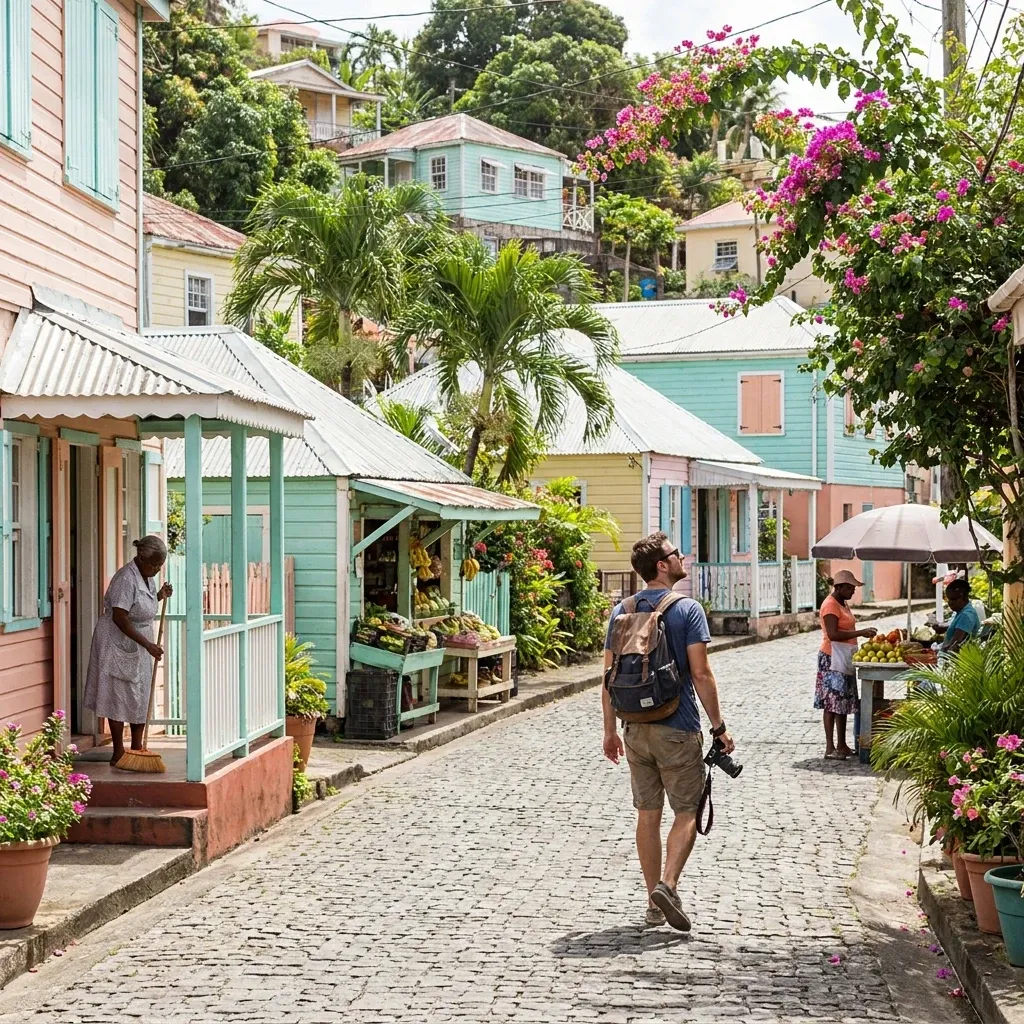
St Lucia is safe outside the resort for the overwhelming majority of visitors, and staying behind the gates the whole week means missing the island entirely. The realistic risk is petty theft rather than violence, which rarely targets tourists. The precautions that matter are specific: avoid walking alone at night in unlit or isolated areas, use licensed taxis with blue TX plates, keep valuables out of sight, and steer clear of a few Castries neighbourhoods. We drive visitors around this island every day and take them everywhere the island is worth seeing.
As of July 2026, the US State Department places St Lucia at Level 2, Exercise Increased Caution, raised from Level 1. That does not mean avoid the island. It means pay attention, which is sensible advice for travel anywhere.
For context, Level 2 covers a great many popular destinations including much of Europe. The UK advice is similar in substance: normal precautions, extra care after dark, licensed transport only.
Verify the current level before you travel, since advisories change.
Petty theft is the realistic concern. Opportunistic pickpocketing in crowded markets, bags left unattended on beaches, valuables visible in parked cars. Violent crime exists here as everywhere, but it rarely involves tourists and is concentrated in specific residential areas that visitors have no reason to enter.
That distinction matters. The headline crime statistics for St Lucia reflect issues within particular communities, not the experience of someone visiting Soufriere or eating dinner in Rodney Bay.
A handful of Castries districts carry genuinely higher risk and are worth avoiding, particularly after dark. These are residential neighbourhoods rather than places on any itinerary, so avoiding them takes no effort.
The areas typically named in safety guidance include Wilton's Yard, Conway, Marchand, and parts of Leslie Land and Morne du Don, along with some parts of Vieux Fort away from the tourist areas.
The places you actually want to go are fine. Rodney Bay, Gros Islet, Soufriere and Marigot Bay all have established tourism infrastructure and are considered safe for daytime and evening. Our guide to every resort area covers where each one sits.
Walking around the main tourist areas at night is generally fine. Walking alone on unlit streets, isolated beaches or unfamiliar roads is not.
The consistent official advice, and ours, is straightforward. Stay where there are lights and people. Do not walk beaches after dark. Take a taxi rather than a long late walk back, even when it feels like a short distance. And be cautious about accepting lifts from strangers.
The Friday night street party at Gros Islet is a genuine highlight and thousands of visitors enjoy it safely every week. Treat it like any busy night out: watch your drink, keep your wallet secure, and arrange your ride home before you go rather than after. Our best things to do in St Lucia covers what the evening is actually like.
Use licensed taxis, identified by blue number plates beginning with TX. That plate means registered and insured.
This is the single most repeated piece of official safety advice for St Lucia, and it is easy to follow. Agree the fare before you ride, as fares are set by route rather than metered, and typical prices are in our taxi rates guide.
With no ride-hailing apps operating here, having a driver's number saved matters more than it would elsewhere. Our guide to finding a reliable driver explains how to find one worth keeping for the whole trip, and for airport arrivals a pre-booked transfer means someone is waiting for you rather than you arranging transport while tired and unfamiliar.
St Lucia is generally safe for solo travellers, with the usual caveats amplified slightly.
Women travelling alone may encounter unwanted attention, particularly at night. The practical responses are the same ones that work anywhere: stick to busy well-lit areas after dark, use pre-arranged transport rather than street taxis late at night, dress a little more modestly away from resort areas, and tell someone your route and expected return.
Renting privately rather than staying at a resort brings its own considerations, which we covered in is Airbnb in St Lucia safe.
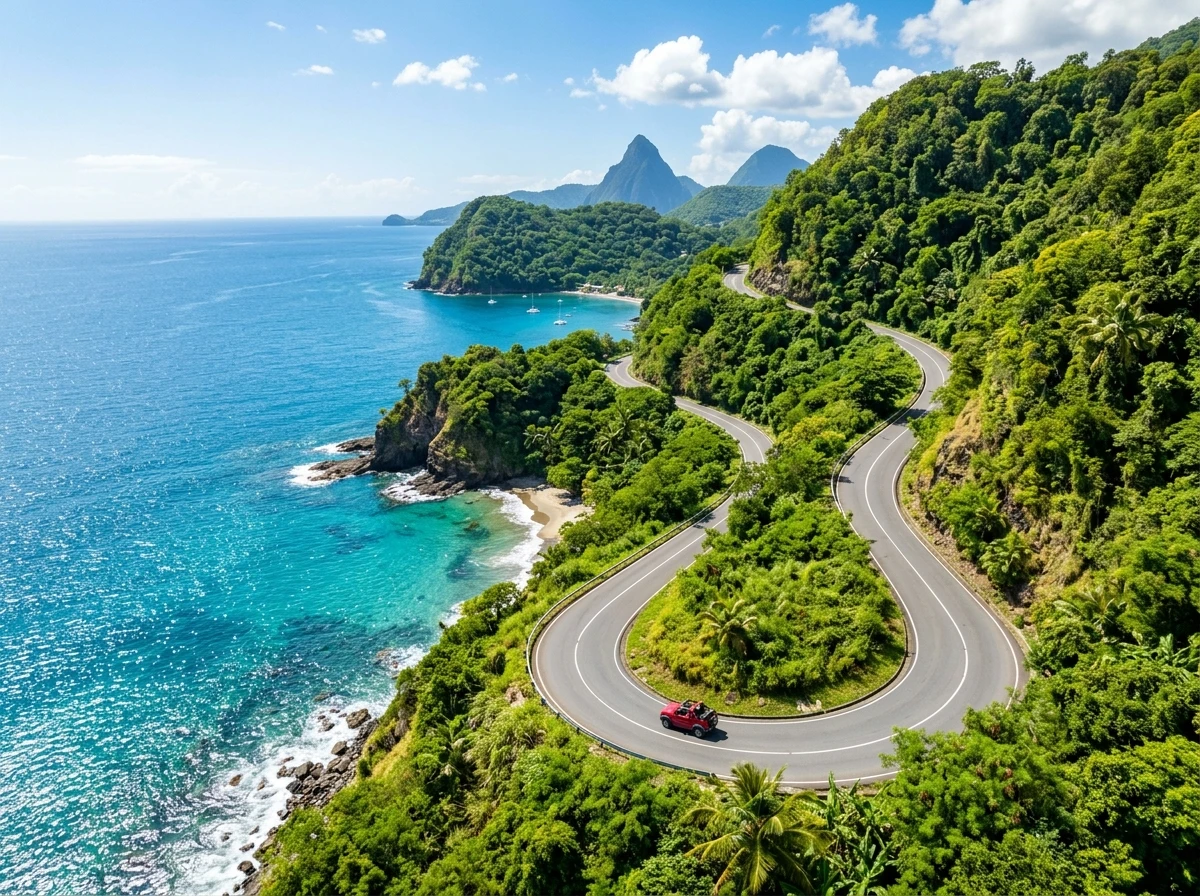
Statistically, the roads are more likely to affect your trip than crime. Narrow, winding, steep, driven on the left, and slick in rain.
If you are self-driving, read is driving in St Lucia hard honestly before committing. If you are a passenger, the same roads explain why travel sickness is a real consideration here.
Is it safe to leave the resort in St Lucia? Yes. Most visitors explore extensively without incident. The island's best experiences are all outside the gates.
What is the St Lucia travel advisory level? Level 2, Exercise Increased Caution, as of July 2026. Check travel.state.gov for the current level.
Which areas should tourists avoid? Certain Castries residential districts including Wilton's Yard, Conway and Marchand, and parts of Vieux Fort away from tourist areas. None are on a normal itinerary.
Is it safe to walk at night? In busy, well-lit tourist areas, generally yes. Alone on unlit streets or beaches, no. Take a licensed taxi.
Is St Lucia safe for solo female travellers? Generally yes, with sensible night-time precautions and pre-arranged transport after dark.
Are guided tours safe? Yes, and for visitors nervous about exploring independently, a guided day with a local driver is the easiest way to see the island with none of the uncertainty. Our island excursions run daily.
The honest answer is that St Lucia is safe outside the resort, and the visitors who never leave are the ones who miss the point of coming. Use licensed transport, keep valuables out of sight, do not wander unlit streets alone at night, and skip a few Castries neighbourhoods you were never going to visit anyway.
Do that, and the island opens up entirely.
Let us handle your transport and explore with someone local who knows exactly where they are taking you.